In our last blog, we explored the wide range of physical changes that can occur during perimenopause.
Today, we're going to zoom in on two of the most common and notorious symptoms: hot flashes and night sweats.
If you've been experiencing these sudden, intense bursts of heat, you know just how disruptive and uncomfortable they can be. But fear not! There are many strategies for managing these symptoms and finding relief.
Understanding Hot Flashes and Night Sweats
First, let's talk about what's actually happening in your body during a hot flash or night sweats. These vasomotor symptoms are caused by hormonal fluctuations that disrupt your body's temperature regulation. When your estrogen levels drop, it can trick your brain into thinking you're overheating, triggering a cascade of physiological responses like sweating, flushing, and rapid heartbeat.
Hot flashes and night sweats can vary in frequency and intensity from woman to woman. Some may experience them only occasionally, while others may have multiple episodes per day. They can last anywhere from a few seconds to several minutes and may be accompanied by other symptoms like dizziness, anxiety, or heart palpitations.
Lifestyle Strategies for Relief
While there's no one-size-fits-all solution for managing hot flashes and night sweats, there are many lifestyle strategies that can help bring relief. Here are a few to try:
Dress in layers: Wear lightweight, breathable clothing that you can easily remove when a hot flash strikes. Choose natural fabrics like cotton and linen, and avoid synthetic materials that can trap heat.
Keep your cool: Keep a portable fan or cold pack nearby to help you cool down quickly when a hot flash hits. Take tepid showers or baths, and sip on cool water throughout the day.
Identify and avoid triggers: Some women find that certain triggers, such as spicy foods, hot drinks, alcohol, or stress, can exacerbate hot flashes. Keep a symptom diary to help identify your personal triggers and develop strategies to avoid or minimize them.
Practice relaxation techniques: Stress and anxiety can worsen hot flashes, so it's important to prioritize stress management. Try deep breathing exercises, meditation, or gentle yoga to help calm your nervous system.
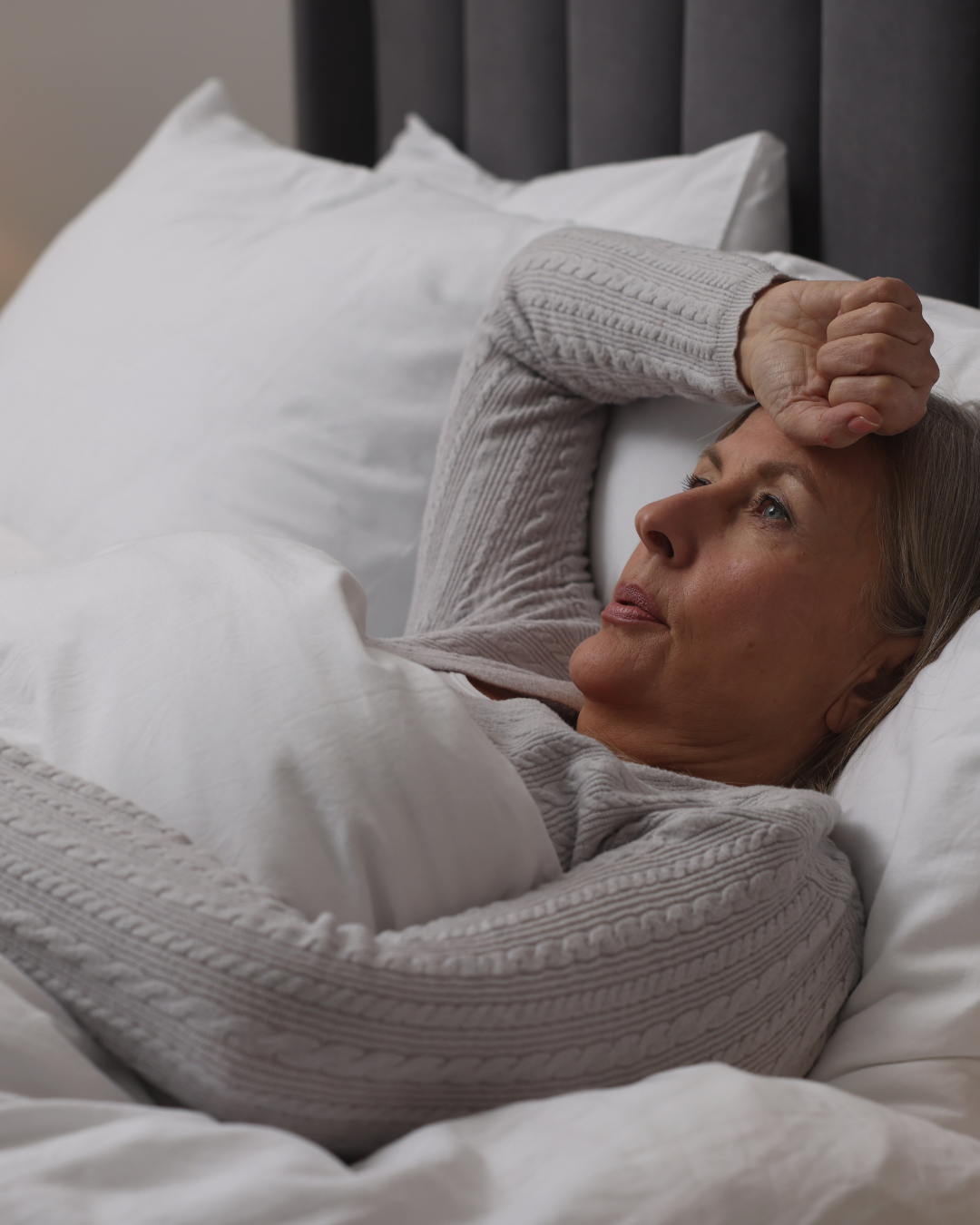
Optimize your sleep environment: Night sweats can be particularly disruptive to sleep. Keep your bedroom cool, dark, and quiet, and invest in breathable bedding and pajamas. Consider using a white noise machine or earplugs to block out any disruptive sounds.
Natural and Medical Therapies
In addition to lifestyle changes, there are several natural and medical therapies that may help alleviate hot flashes and night sweats. Here are a few options to consider:
Herbal remedies: Certain herbs, such as black cohosh, red clover, and dong quai, have been traditionally used to manage menopausal symptoms. However, the evidence for their effectiveness is mixed, and they can interact with other medications, so it's important to work with a qualified healthcare provider before starting any herbal regimen.
Acupuncture: Some studies suggest that acupuncture may help reduce the frequency and intensity of hot flashes. Look for a licensed acupuncturist who has experience working with menopausal women.
Hormone therapy: For women with severe or disruptive hot flashes, hormone therapy (HT) may be an option. HT involves taking supplemental estrogen and/or progesterone to help stabilize hormone levels and alleviate symptoms. However, HT is not without risks, so it's important to carefully weigh the benefits and drawbacks with your healthcare provider.
Non-hormonal medications: Certain medications, such as low-dose antidepressants or gabapentin, may help reduce hot flashes for some women. Talk to your provider about whether these options may be appropriate for you.
Finding What Works for You
Every woman's experience with hot flashes and night sweats is unique, and what works for one may not work for another. It may take some trial and error to find the combination of strategies that brings you the most relief.
Be patient with the process and don't hesitate to reach out to your Fit Fam for support. Join a menopause support group, talk to your friends, or work with a menopause-savvy healthcare provider to develop a personalized management plan.
Remember, hot flashes and night sweats are a normal and temporary part of the perimenopausal transition. They can be disruptive and uncomfortable, but they are not dangerous or a sign that anything is wrong with your body.
Treat yourself with compassion and know that this too shall pass. In the meantime, keep experimenting with different strategies, prioritizing self-care, and leaning on your support system.
Keep on keeping on!
Nat Tedesco & TBS Team
This article is for general education and does not replace individualized medical advice. Talk with a qualified healthcare professional about symptoms, diagnoses, or treatment decisions.