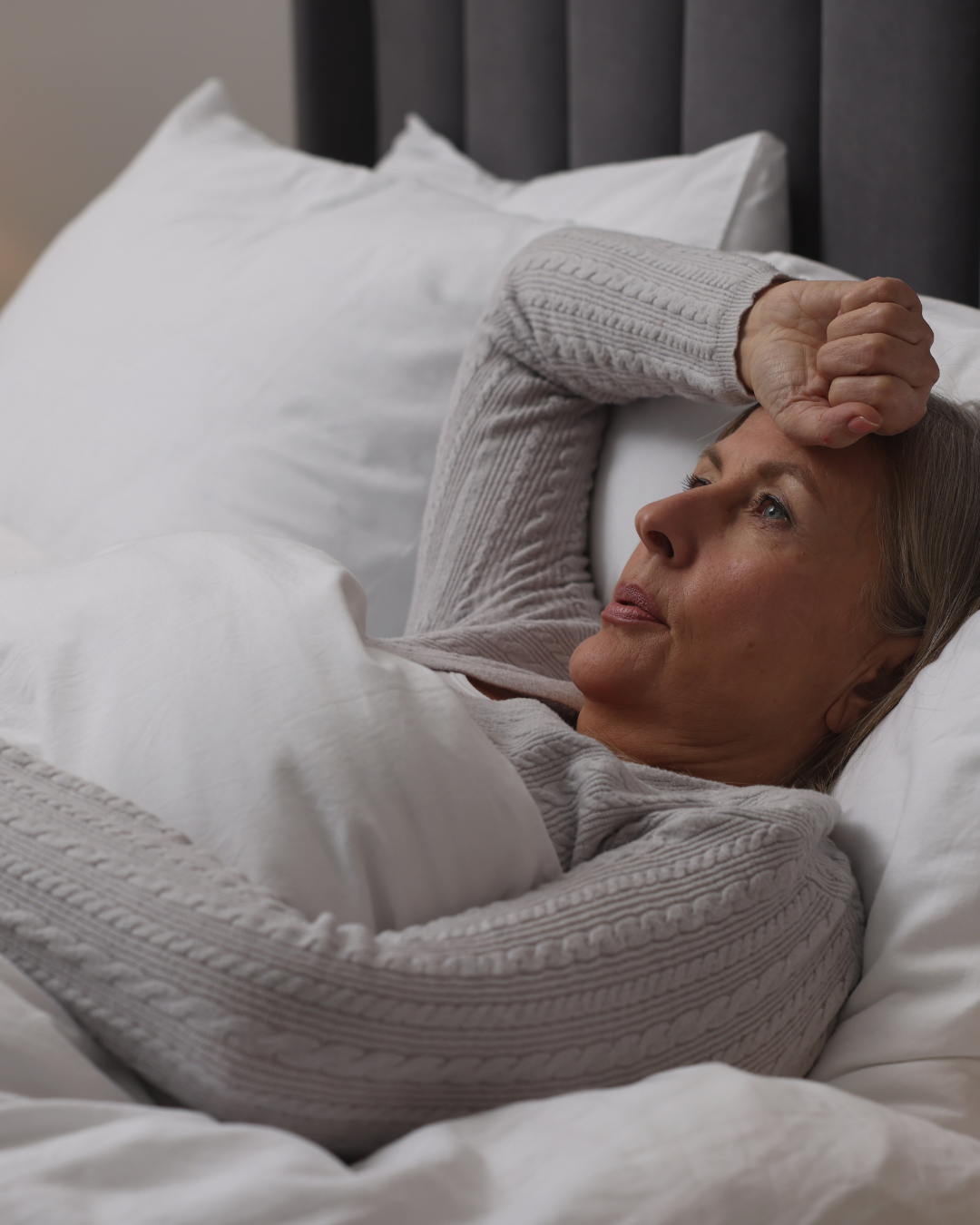

Today, we're diving into a topic that can be both fascinating and frustrating: the physical changes of perimenopause.
If you've been wondering why your body seems to be shape-shifting before your very eyes, you're not alone. Many women experience a range of physical symptoms during this transitional phase, from hot flashes to weight gain to skin changes.
Let's explore what's happening under the hood and how you can navigate these changes with grace and self-compassion.
Hormonal Shifts and Physical Symptoms
At the root of most perimenopausal physical changes are the hormonal shifts that occur during this time. As your ovaries begin to produce less estrogen and progesterone, it can trigger a cascade of physical symptoms, including:
Hot flashes and night sweats: These sudden, intense bursts of heat are one of the most common and well-known symptoms of perimenopause. They're caused by hormonal fluctuations that disrupt your body's temperature regulation.
Weight gain and body composition changes: Many women find that they gain weight more easily or struggle to lose weight during perimenopause. This is partly due to hormonal changes that can slow metabolism and promote fat storage, particularly around the midsection.
Skin changes: Estrogen plays a key role in collagen production and skin elasticity. As estrogen levels decline, you may notice your skin becoming drier, thinner, or less supple.
Vaginal dryness and urinary symptoms: Lower estrogen levels can lead to vaginal dryness, discomfort during sex, and urinary issues like incontinence or frequent UTIs.
Breast changes: You may notice your breasts becoming more tender, lumpy, or dense during perimenopause. This is often due to hormonal fluctuations and is usually not a cause for concern.
Navigating Physical Changes with Self-Compassion
While these physical changes can be uncomfortable and even distressing at times, it's important to approach them with self-compassion and a spirit of curiosity. Your body is going through a profound transformation, and it deserves your respect and care.
Here are some tips for navigating physical changes with more ease and grace:
Prioritize self-care: Make time for activities that help you feel good in your body, such as gentle exercise, massage, or restorative yoga.
Nourish your body: Focus on eating a balanced, nutrient-dense diet that supports your changing physical needs. Include plenty of fruits, vegetables, lean proteins, and healthy fats.
Stay hydrated: Drinking plenty of water can help alleviate symptoms like dry skin, vaginal dryness, and bloating.
Embrace natural remedies: Certain natural remedies, such as black cohosh for hot flashes or sea buckthorn oil for vaginal dryness, may help alleviate physical symptoms. Always consult with a qualified healthcare provider before starting any new supplement regimen.
Practice self-acceptance: Rather than fighting against your body's changes, try to cultivate a sense of acceptance and even gratitude for this transformative journey. Your body is doing the best it can to adapt to a new hormonal reality.
While many perimenopausal physical changes are normal and expected, some symptoms may warrant medical attention. If you experience any of the following, it's important to consult with your healthcare provider:
Severe or prolonged bleeding between periods
Pelvic pain or pressure
Painful intercourse that doesn't improve with lubrication
Persistent bloating or abdominal pain
Skin changes that are itchy, painful, or don't heal
Your provider can help rule out any underlying medical conditions and offer targeted treatments or therapies to alleviate your symptoms.
The physical changes of perimenopause can be a wild ride, but they're also a testament to the incredible resilience and adaptability of your body. As you navigate this journey, remember to treat yourself with kindness, patience, and respect.
Trust that your body knows what it's doing, even when it feels like it's gone rogue. Lean on your support system, prioritize self-care, and don't hesitate to seek medical guidance when you need it.
And most importantly, remember that you are not alone in this journey. Millions of women are navigating the same physical changes, and there is power and solidarity in sharing our experiences and wisdom.
Embrace this transformation as an opportunity to deepen your relationship with your body and cultivate a new level of self-acceptance and self-love. Keep on keeping on!
Nat Tedesco & TBS Team
This article is for general education and does not replace individualized medical advice. Talk with a qualified healthcare professional about symptoms, diagnoses, or treatment decisions.